
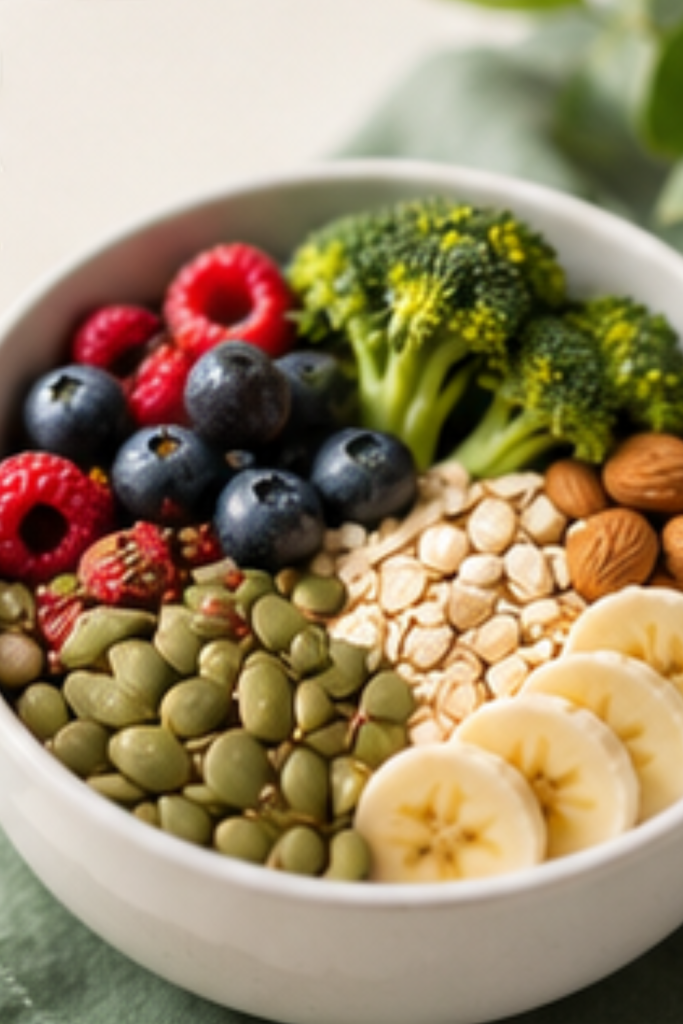
Introduction
Have you ever wondered whether the foods you eat every day could influence how your digestive system feels? While no single food can guarantee perfect gut health, a balanced diet that includes a variety of nutrient-rich foods can help support your digestive system and overall well-being.
Your gut is home to trillions of microorganisms, often called the gut microbiome. These microorganisms play a role in digestion, and researchers continue to study how they may be connected to different aspects of overall health. One of the most effective ways to support a healthy gut is by making thoughtful food choices over time rather than looking for quick fixes.
In this guide, we’ll explore 10 foods that are commonly included in gut-friendly eating patterns, explain why they’re beneficial, and share simple ways to enjoy them as part of your daily routine.
What Is a Gut-Friendly Diet?
A gut-friendly diet isn’t about following strict rules or eliminating entire food groups. Instead, it focuses on eating a variety of whole, minimally processed foods that provide fibre and other nutrients your digestive system needs.
Many healthy eating patterns include:
- Fruits and vegetables
- Whole grains
- Legumes
- Fermented foods
- Nuts and seeds
- Plenty of water
Combined with regular physical activity, quality sleep, and stress management, these habits can contribute to overall wellness.
1. Yoghurt with Live Cultures
Yoghurt is one of the best-known fermented foods and is often included in balanced eating plans. Some yoghurts contain live cultures, which are microorganisms used during the fermentation process.
Easy ways to enjoy yoghurt:
- Add fresh berries and oats for breakfast.
- Blend it into a smoothie.
- Use it as a base for a healthy dip.
- Enjoy it with a sprinkle of seeds or nuts.
Tip: Choose plain yoghurt with little or no added sugar where possible.
2. Oats
Oats are a versatile whole grain and a great source of fibre. They’re filling, affordable, and easy to include in your daily routine.
Try oats:
- As warm porridge.
- Overnight oats.
- In homemade muffins.
- Blended into smoothies.
Pair oats with fruit and nuts for a satisfying breakfast.
3. Berries
Berries such as blueberries, strawberries, raspberries, and blackberries are packed with vitamins, minerals, and natural plant compounds.
Simple ways to enjoy berries include:
- Adding them to yoghurt.
- Mixing them into oats.
- Tossing them into a fruit salad.
- Freezing them for smoothies.
4. Leafy Green Vegetables
Leafy greens such as spinach, kale, Swiss chard, and lettuce are packed with vitamins, minerals, and fibre. They’re an easy way to add more nutrients to your meals without making major changes to your diet.
Simple ways to eat more leafy greens
- Add spinach to smoothies.
- Include a side salad with lunch or dinner.
- Stir kale into soups and stews.
- Use lettuce wraps instead of bread occasionally.
Even one extra serving of leafy greens each day can help you build healthier eating habits over time.
5. Beans and Lentils
Beans and lentils are affordable, filling, and naturally high in fibre and plant-based protein. They can be a valuable part of a balanced eating pattern and are incredibly versatile.
Try adding them to:
- Soups
- Salads
- Curries
- Rice dishes
- Wraps
If you’re not used to eating beans regularly, increase your intake gradually and drink enough water, as increasing fibre too quickly can sometimes cause temporary digestive discomfort.
6. Bananas
Bananas are convenient, affordable, and easy to enjoy at any time of day. They contain fibre and are a popular choice for breakfast, snacks, or smoothies.
Some easy ideas include:
- Sliced over porridge.
- Blended into smoothies.
- Spread with a little peanut butter.
- Added to plain yoghurt.
Because they’re naturally sweet, bananas can also be a healthier alternative to processed snacks when you’re looking for something quick.
7. Garlic
Garlic has been used in cooking for centuries and adds flavour to a wide variety of dishes. Including garlic in home-cooked meals is an easy way to add variety to your diet.
Use garlic in:
- Stir-fries
- Pasta sauces
- Roasted vegetables
- Soups
- Marinades
Fresh garlic generally provides the strongest flavour, but dried garlic can also be a convenient pantry staple.
8. Nuts and Seeds
Nuts and seeds, such as almonds, walnuts, chia seeds, flaxseeds, and sunflower seeds, are easy to add to meals and snacks. They provide healthy fats, fibre, and other nutrients that fit well into a balanced diet.
Ideas to try:
- Sprinkle chia seeds over yoghurt.
- Add walnuts to salads.
- Mix sunflower seeds into oatmeal.
- Blend flaxseeds into smoothies.
Because nuts are calorie-dense, enjoying moderate portions is generally a good approach.
9. Fermented Foods
Fermented foods have been part of traditional diets around the world for generations. Examples include plain yoghurt with live cultures, kefir, sauerkraut, kimchi, and some fermented vegetables.
If you’ve never tried fermented foods before, start with small amounts and see what works best for you. Everyone’s digestive system is different, and variety is often more important than focusing on a single food.
10. Whole Grains
Whole grains such as brown rice, quinoa, whole-wheat bread, and barley provide fibre and nutrients that can support a balanced eating pattern.
Simple swaps include:
- Brown rice instead of white rice.
- Whole-grain bread instead of white bread.
- Whole-wheat pasta.
- Quinoa as a side dish.
Small substitutions like these are often easier to maintain over time than making dramatic dietary changes.
Healthy Eating Is About Patterns, Not Perfection
One of the biggest misconceptions about healthy eating is that every meal has to be perfect. In reality, your overall eating pattern matters much more than any single meal.
Instead of trying to change everything overnight, focus on one habit at a time. For example:
- Add one extra serving of vegetables to dinner.
- Choose whole grains more often.
- Drink water instead of sugary drinks when possible.
- Include fruit as a snack.
- Plan simple, balanced meals for busy days.
These small choices can become lasting habits when repeated consistently.
7-Day Gut-Friendly Meal Inspiration
If you’re looking for a simple way to include more gut-friendly foods in your routine, here’s a week’s worth of meal ideas. These are meant as inspiration and can be adapted to suit your preferences and dietary needs.
| Day | Breakfast | Lunch | Dinner |
|---|---|---|---|
| Monday | Oats with blueberries and chia seeds | Grilled chicken salad with spinach | Brown rice, grilled fish and steamed vegetables |
| Tuesday | Plain yoghurt with berries and walnuts | Lentil soup with whole-grain bread | Stir-fried vegetables with quinoa |
| Wednesday | Banana and spinach smoothie | Chickpea salad | Grilled chicken with roasted sweet potato |
| Thursday | Overnight oats with strawberries | Whole-grain wrap with vegetables | Baked salmon with broccoli |
| Friday | Whole-grain toast with avocado | Mixed bean salad | Vegetable curry with brown rice |
| Saturday | Greek yoghurt with banana and seeds | Quinoa salad | Grilled lean beef with vegetables |
| Sunday | Oatmeal with fresh fruit | Chicken and vegetable soup | Whole-wheat pasta with tomato and spinach |
Remember, healthy eating doesn’t have to be perfect. Small improvements over time are often easier to maintain than drastic changes.
Frequently Asked Questions
1. What is the best food for gut health?
There isn’t one “best” food. A healthy gut is generally supported by eating a wide variety of fibre-rich foods, fruits, vegetables, whole grains, legumes, and fermented foods as part of an overall balanced diet.
2. How long does it take to improve gut health?
Everyone is different. Healthy lifestyle habits such as eating a balanced diet, staying hydrated, exercising regularly, and getting enough sleep can support overall digestive wellness over time. Consistency is more important than expecting quick results.
3. Do I need supplements for gut health?
Many people focus first on healthy eating and lifestyle habits. Some also choose to explore wellness supplements as part of their routine. If you’re considering supplements, it’s a good idea to research them carefully and, where appropriate, speak with a qualified healthcare professional.
4. Is drinking water important for digestion?
Yes. Staying well hydrated supports normal digestion and is an important part of a healthy lifestyle.
5. Can stress affect digestive wellness?
Stress can influence many aspects of overall well-being. Managing stress through exercise, relaxation techniques, adequate sleep, or mindfulness may help support healthier daily routines.
Key Takeaways
Supporting your gut health doesn’t require a complete lifestyle overhaul. Simple, consistent habits often make the biggest difference over time.
Here are the main points to remember:
- Eat a variety of fibre-rich foods.
- Include fruits and vegetables every day.
- Choose whole grains where possible.
- Enjoy fermented foods if they suit you.
- Stay hydrated.
- Get enough sleep.
- Manage stress.
- Focus on consistency rather than perfection.
Final Thoughts
A healthy lifestyle is built one choice at a time. By including more gut-friendly foods in your meals and maintaining consistent daily habits, you can support your digestive wellness and overall well-being.
While food and lifestyle are the foundation of good health, some people also choose to explore wellness supplements to complement their routine. One option that has attracted attention is PrimeBiome, which is designed to support gut-focused wellness. As with any supplement, it’s important to do your own research and decide what aligns with your personal health goals.
The most sustainable approach is one you can enjoy and maintain over the long term.
Continue Reading
🌿 The Surprising Connection Between Gut Health and Daily Wellness (link this to that article)
🌿 The Complete Beginner’s Guide to Gut Health (Coming Soon – don’t link it yet because it doesn’t exist)
Affiliate Disclosure
This article may contain affiliate links. If you make a purchase through one of these links, Living Prime Choice may earn a commission at no extra cost to you. We only recommend products that we believe may be of interest to our readers. Always do your own research before purchasing any wellness product.
One Response